

Most tech conferences have turned into $800 badge-scans and lukewarm coffee. So when an event says “free,” my ears perk up.
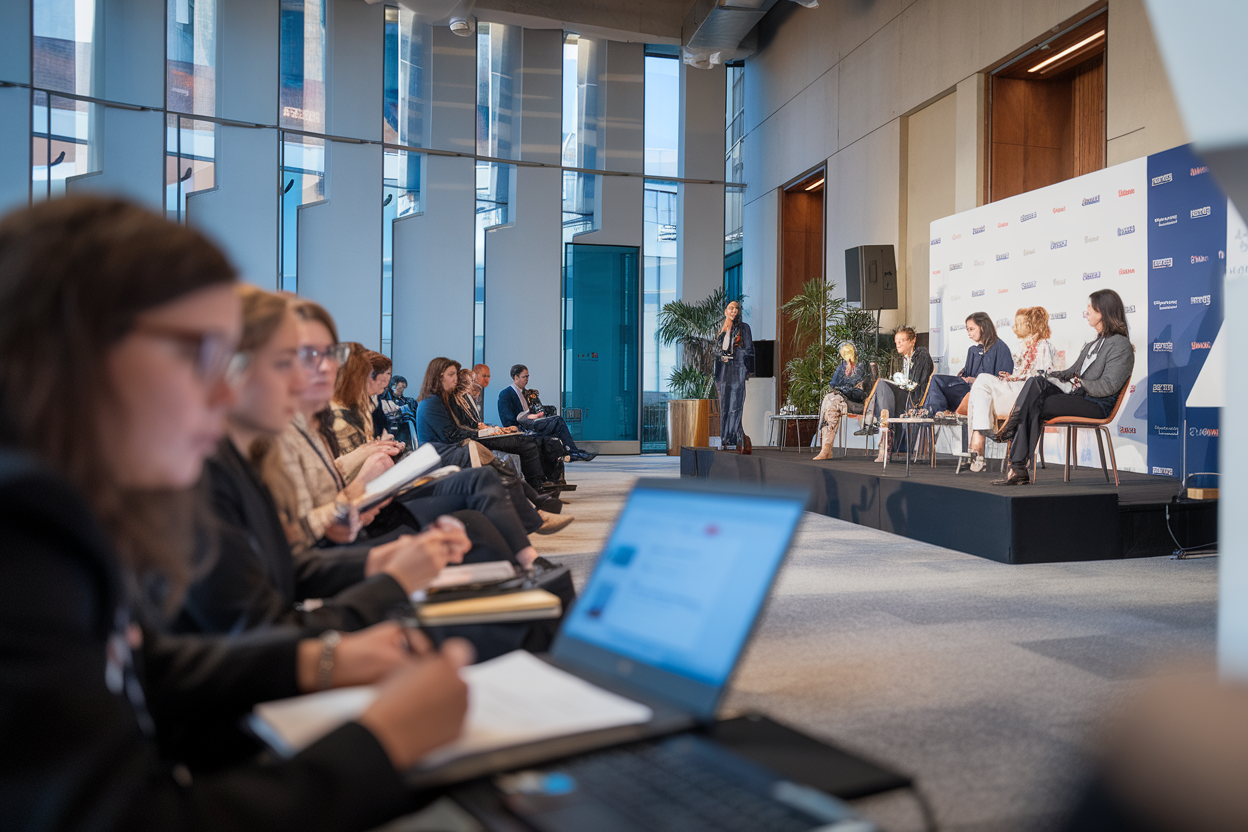
WiDS Villach—part of the global Women in Data Science series—returns April 30 for its seventh edition in Villach, Austria. Seventh. That’s the quiet flex here. Plenty of “innovation” meetups flame out after one splashy year and a sad LinkedIn post. This one stuck.
The organizers are pitching it as a no-cost, open-door conference for anyone trying to get smarter—or more employable—in data science and AI. And in a field that loves to talk about “democratizing” everything while charging admission like it’s the Met Gala, free matters.
Free admission isn’t charity. It’s strategy.
Let’s translate the economics. A typical industry conference ticket can run a few hundred euros—call it $300 to $1,000 once you add travel and time off. “Free” blows a hole in that gatekeeping.
Students show up. Career-switchers show up. Early-career analysts who can’t convince their boss to expense a conference show up. And yes, the “just curious” managers show up too—because it’s easier to justify a day out of the office when the price tag is zero.
But free doesn’t mean frictionless. Capacity limits, registration hoops, and the simple fact that people have jobs and kids still filter who can attend. If the organizers want this to be more than a lecture marathon, they’ll need formats that actually move people forward—hands-on workshops, mentoring time, and real talk about what data jobs look like outside glossy slide decks.
What WiDS is—and why Villach making it to year seven matters
WiDS (Women in Data Science) is basically a global franchise done right: a shared identity and mission, run locally by communities that know their own terrain. The brand gives it credibility. The local hosts make it relevant.
And seven years in Villach signals maturity. Over that span, teams change, sponsors come and go, and the data world itself mutates. Data science has shifted from “cool side project” to “core business function,” dragging compliance, security, transparency, and cost control along with it.
The “Women in Data Science” label isn’t window dressing. Tech still has a representation problem, and data is no exception. Diverse teams don’t just look better on a brochure—they tend to catch blind spots: what gets measured, what gets ignored, which datasets are garbage, and which “objective” metrics quietly punish certain groups.
That’s not academic. Automated decisions can affect who gets a loan, who gets flagged for fraud, who gets hired. Team composition shapes outcomes.
“Data-driven” sounds great—until your data is a mess
Everybody loves the phrase “data-driven future” because it suggests clean, rational decision-making. In business, it’s pitched as profit: lower costs, better forecasts, optimized inventory, fraud detection, personalization. In government, it’s better targeting and better services.
Here’s the buzzkill: data doesn’t “drive” anything. People do. And people routinely drive straight off a cliff with bad dashboards.
Dirty, incomplete, biased, or poorly documented data produces confident nonsense. That’s why grown-up organizations obsess over data governance, metadata management, shared definitions, and traceability. Without that boring infrastructure, “data-driven” turns into a cage match over whose numbers are “real.”
Then there’s the AI productization trap: moving from prototype to production. That’s where models drift, errors go silent, cloud bills spike, vendors get sticky, and accountability gets fuzzy when someone challenges a decision. Conferences like this earn their keep when they make room for postmortems—not just victory laps.
Careers, recruiting, and the real value of showing up
A seventh edition usually means there’s an actual community behind it—people who come back, hire each other, mentor each other, and trade war stories.
That matters because “data jobs” are a mess of titles: data analyst, data scientist, data engineer, MLOps, product analytics. The boundaries shift constantly, and job postings often read like a wish list written by five departments in a group chat: PhD-level stats, cloud deployment, domain expertise, product sense, and somehow legal compliance too.
Events like WiDS can force a reality check. Recruiters see what talent actually looks like. Candidates get a clearer picture of what employers really need—versus what they copy-pasted from a template.
And for women in the field, visibility isn’t a nice-to-have. It’s career oxygen. Panels, Q&As, and speaker slots can surface experts who aren’t already famous on social media—and that helps break the old-boys-network feedback loop that still shapes who gets tapped for the next role.
Villach gets a shot at turning a one-day event into an ecosystem
Local conferences can be more useful than the big-name circus shows because they connect people who might actually work together afterward—especially if they’re rooted in the region.
The catch is follow-through. Without ongoing community glue, the “great to meet you” conversations evaporate by Monday. With a maintained network, a conference becomes a pipeline: internships, hires, collaborations, research projects, and practical know-how that sticks around after the lanyards hit the trash.
WiDS Villach has the ingredients: a known global format, a stable run of seven years, and a price point that doesn’t scare off newcomers. The organizers’ real job now is to make it actionable—less TED Talk, more “here’s how we shipped it, here’s what broke, here’s what we’d do differently.”
Sources: Organizers’ announcement for WiDS Villach citing a seventh edition on April 30 with free participation; broader context drawn from common practices in professional data-science conference ecosystems.
FAQ
When is WiDS Villach 2026, and does it cost anything?
It’s scheduled for April 30, and organizers say attendance is free.
What’s the point of a Women in Data Science conference beyond talks?
Networking, recruiting, mentoring, showcasing women experts, and sparking local collaborations around real data projects.
What do people mean by a “data-driven future”?
Using data and analytics to guide decisions—but it only works with solid governance, high-quality data, and clear accountability for risk and bias.