

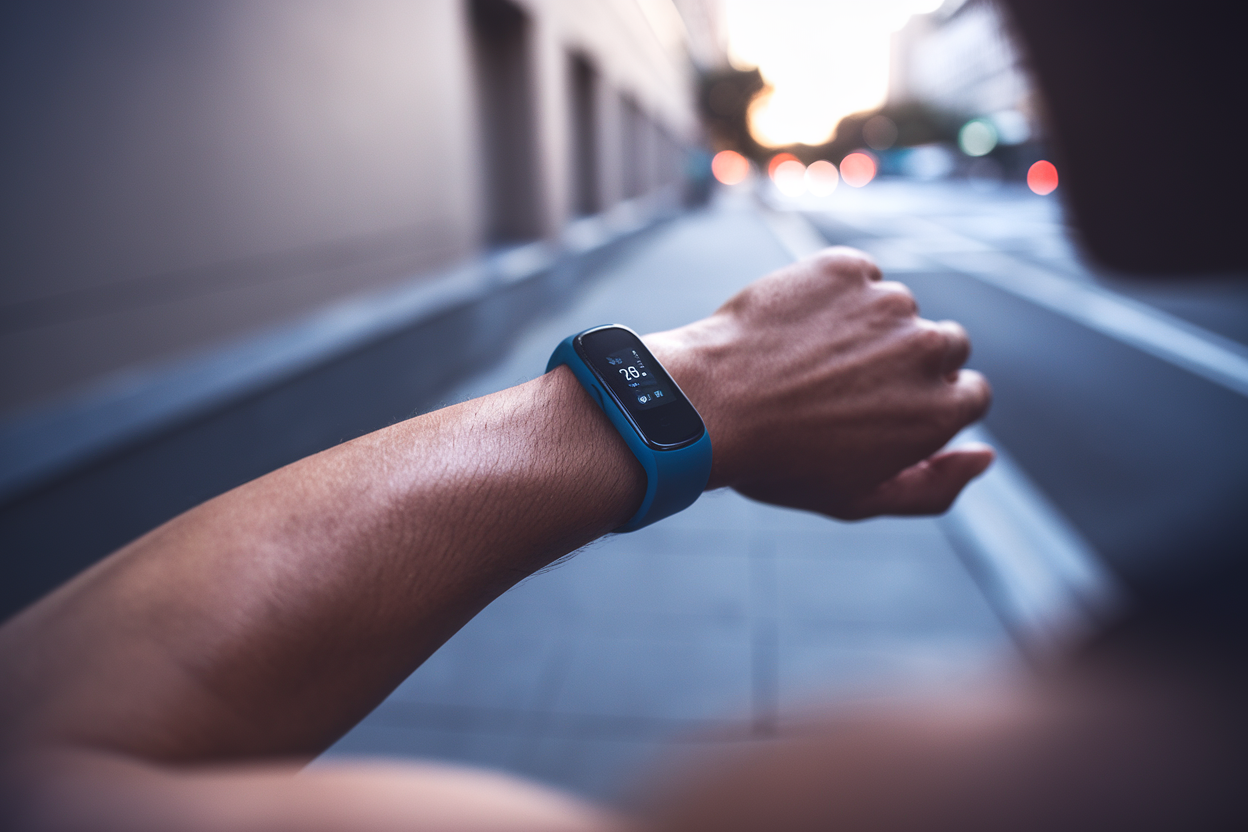
Reddit is a messy place to run a “study.” It’s also where people go when their $400 wrist computer starts lying about their heart rate or dies before dinner.
So when one user says they sifted through roughly 2,700 Reddit posts and comments about fitness trackers to see which device gets the most love, I’m listening—at least a little. Their winner: the Garmin Venu 3, a smartwatch-health hybrid that typically sells in France for €450–€500—call it roughly $490–$545, depending on the day and the discount gods.
No, this isn’t peer-reviewed science. But it’s a pretty good snapshot of how reputations get built in 2026: not by glossy launch videos, but by thousands of regular people comparing battery life, griping about busted syncing, and arguing over whether wrist-based heart-rate sensors are “good enough” or “garbage.”
Why the Venu 3 keeps popping up in recommendations
In the threads this person claims to have reviewed, the Venu 3 lands in a sweet spot: sportier than a fashion-first smartwatch, less hardcore (and less intimidating) than a triathlon-obsessed brick.
The big reason people keep citing is battery life. Redditors talk about charging like it’s a moral issue. And honestly? They’ve got a point. If you’re tracking sleep, stress, and training load, a watch that needs a daily recharge breaks the whole “trend” idea. You don’t get clean data if your device is constantly face-down on a charger.
Second: reliability over time. Nobody serious pretends optical wrist sensors are flawless—especially during high-intensity intervals. But users seem to value a device that stays consistent, doesn’t randomly drop readings, and fits into daily life without drama. A bunch of people also add the fine print: accuracy depends on fit, wrist shape, and what you’re doing (lifting, running, cycling—pick your poison).
Third: less subscription pressure. Garmin’s ecosystem is widely seen as less “pay monthly to unlock your own data” than some rivals. That matters because subscriptions turn a one-time purchase into a slow leak from your bank account. Garmin isn’t allergic to paid services, but Reddit’s vibe is that you get plenty of meaningful metrics without being shaken down every month.
And then there’s the squishy factor: brand trust. In endurance circles, Garmin’s been “the GPS company” forever. That history buys it goodwill—even when people complain the interface is busy and the price is steep. For a lot of folks, the Venu 3 is pitched as the one device that can handle runs, walks, sleep tracking, and basic notifications without becoming a tiny smartphone strapped to your arm.
What 2,700 Reddit posts can tell you—and what they can’t
The upside of trawling Reddit is you catch the stuff quick reviews miss: batteries that crater after a year, flaky syncing, sensors that go off the rails, bands that fall apart, screens that are unreadable in bright sun. People also talk about the unsexy realities—sleep comfort, silent alarms that actually wake you up, whether the strap irritates your skin, whether the thing survives daily abuse.
You also get context. A runner will recommend differently than a lifter. A hiker cares about different trade-offs than someone who just wants steps and sleep.
But the biases are loud. Reddit isn’t America. It isn’t even “the average consumer.” It skews more techy, more male, and more obsessed with comparing specs and arguing about them.
There’s also a herd effect: once a model becomes “the one everyone recommends,” it gets recommended more because it’s already the reference point. Meanwhile, a great lesser-known device can stay invisible simply because fewer people bought it—and fewer people posted about it.
Another problem: people mix up fitness trackers and full-on smartwatches constantly. The Venu 3 isn’t a cheap band you toss in a gym bag. It’s a premium watch. Satisfaction can reflect that reality: if you spend $500, you may be more willing to live with quirks because you’ve already committed to the “serious device” category.
And finally, this whole “analysis” depends on one person’s sorting and judgment. No public methodology, no transparent coding, no clear handling of duplicates. Treat it like a reputation thermometer, not a courtroom verdict.
The three things people actually fight about: battery, sensors, subscriptions
Across the usual brand wars—Fitbit, Apple, Samsung, Garmin—Reddit chatter tends to collapse into three deciding factors.
1) Battery life. Watches that lean hard into apps and bright screens often deliver a slick software experience, then punish you with frequent charging. Sport-focused devices usually last days (sometimes longer, depending on settings), but can feel less “phone-like.” Garmin gets credit for balancing those trade-offs, which helps explain the Venu 3’s popularity in these threads.
2) Sensor consistency. People want heart-rate and sleep tracking that’s coherent day to day. Not perfect—just stable enough that trends make sense. More serious athletes keep bringing up the chest strap as the gold standard and judge watches by how close they stay when things get sweaty and chaotic.
3) Subscription economics. Paywalls around “advanced” metrics drive people nuts. Even a $10/month plan changes the math fast—two years of that is real money. Some users will pay if the analysis is genuinely useful (sleep and recovery are the usual hooks). Others refuse on principle.
Then there’s the ecosystem question. Apple and Samsung watches can be great if you want calls, texts, payments, and deep phone integration. But Reddit’s training-first crowd often ends up choosing the more sport-centric brands anyway, even if it means giving up some fancy smartwatch tricks. The Venu 3 is frequently framed as a tolerable middle ground.
Why “health tracking” is beating “sports performance” in 2026
The French article’s broader point tracks with what you see everywhere: demand is drifting toward everyday health monitoring, not just athletic performance. People want sleep, stress, activity, and simple trendlines they can actually use—especially with remote work and sedentary routines making a lot of folks feel like their bodies are quietly filing complaints.
That’s why the forums obsess over boring stuff: comfort at night, reliable syncing, durable bands, alarms that don’t annoy your partner. Precision debates often turn into trust debates. If a device suddenly swings a metric with no obvious reason, users stop believing anything it says—no matter how many features it has.
Price still splits the market. Premium devices get recommended because they reduce compromises, but they’re not for everyone. That’s part of why the Venu 3 shows up most in posts from people willing to spend.
And yes, privacy is creeping into the conversation more. People care about where their health data goes, how portable it is, and whether the company will keep supporting the device after a couple years. A Reddit recommendation won’t answer that. But it can tell you which brands are getting dragged for the same problems over and over.