

Forget the “end of oil” chatter for a second. In 2023, the world guzzled a record 102.2 million barrels of oil per day, blowing past the pandemic-era slump and reminding everyone of an annoying truth: crude still runs the place.
Oil isn’t just what you pump into your SUV. It’s the lifeblood of global shipping, a chunk of heating in some regions, and the feedstock for the unsexy stuff modern life is built on—asphalt, lubricants, and a whole lot of petrochemicals.
And when the market gets jittery—say, with Iran in the headlines and ships getting snarled around the Strait of Hormuz—the pain doesn’t spread evenly. Countries that sip oil can shrug. The big burners get their budgets wrecked.
Here’s the kicker: the demand side is wildly concentrated. The top 10 oil-consuming countries account for nearly 60% of global consumption. That means a handful of capitals can sneeze and the rest of the world catches a price spike.
102.2 million barrels a day: the post-COVID rebound that didn’t quit
The last real turning point was 2020, when COVID slammed the brakes on commuting, air travel, and a lot of industrial activity. Oil demand cratered.
Three years later, 2023 didn’t just “recover.” It set a new high: 102.2 million barrels per day. That’s the world back on the move—people traveling, factories producing, goods getting hauled from ports to warehouses to your doorstep.
The main driver is still mobility. Oil is energy-dense, easy to store, and brutally convenient for trucks, ships, and a big slice of aviation. EVs are growing, heat pumps are spreading, renewables are climbing—but the global vehicle fleet turns over slowly. In plenty of places, rising incomes still mean more cars, more deliveries, more diesel.
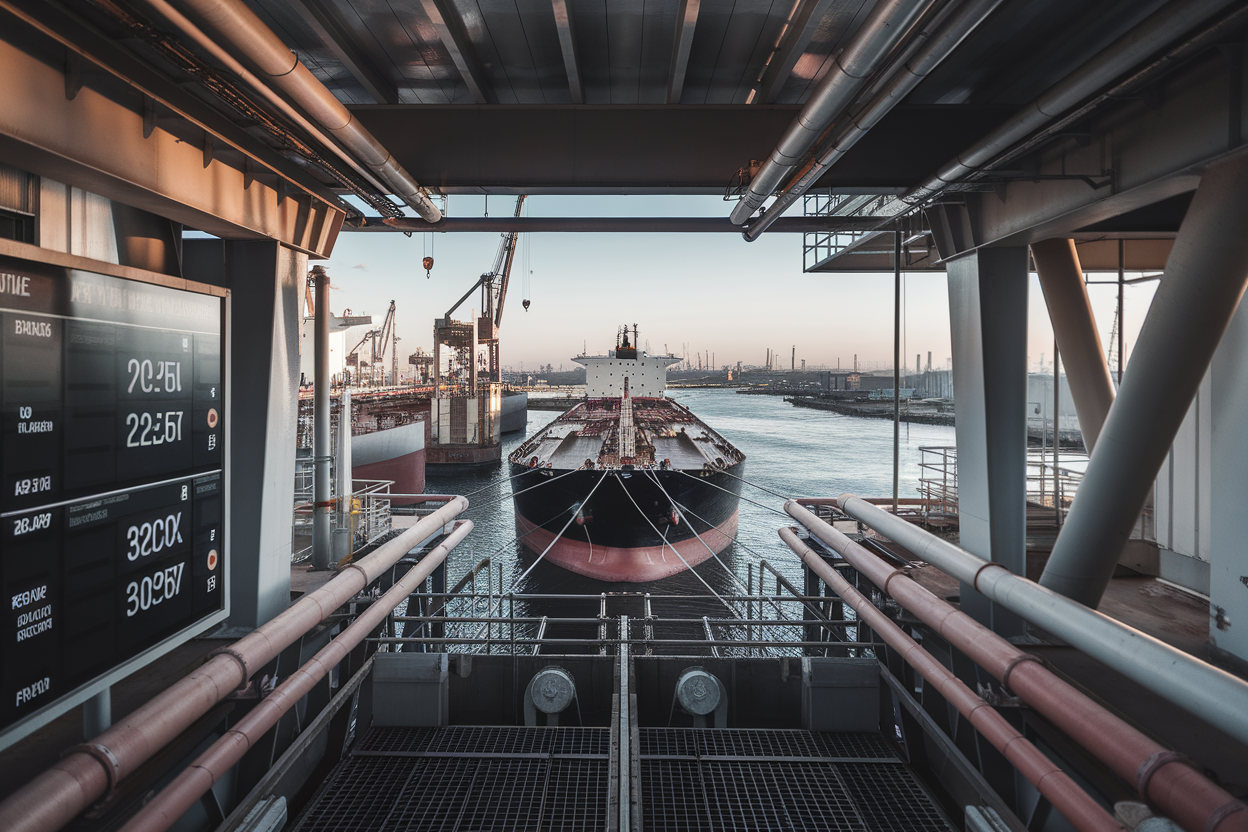
Then there’s the supply chain reality. Global trade runs on bunker fuel and diesel. When shipping routes get messy, the bill isn’t just higher fuel costs. It’s longer routes, higher insurance premiums, and delays that ripple through everything from retail inventories to factory schedules.
And don’t sleep on petrochemicals. Even if gasoline demand eventually flattens, oil demand can stay stubborn because plastics, solvents, fibers, and industrial components don’t magically appear out of good intentions.
Ten countries, about 60% of demand: a small club sets the price mood
Nearly 60% of global oil demand sits with the 10 biggest consumers. In a global market, that’s power—whether those countries mean to wield it or not.
This isn’t a neat, equal top 10 either. The top few countries are in a different weight class, while the rest are still huge but less dominant. That pecking order matters when prices jump. Big consumers often have shock absorbers: strategic petroleum reserves, major refining capacity, and tax levers they can pull to soften the blow. Smaller consumers mostly just pay the higher bill and hope their politics survive it.
Markets also trade on expectations, not just barrels. A major economy announces an industrial push or infrastructure binge and traders start pricing in more demand. A slowdown or tougher fuel rules in one heavyweight country can cool prices even if nothing else changes.
Here’s the uncomfortable part for climate politics: cuts in a few rich countries can get canceled out by growth elsewhere—especially where development still means more trucking, more road-building, and more stuff moving longer distances.
The Strait of Hormuz: why a skinny waterway can jack up prices fast
The Strait of Hormuz is one of those geographic choke points that makes economists sound like naval historians. A big share of Gulf oil exports flows through that narrow passage.
When tensions flare—especially involving Iran—prices can jump even without an immediate physical shortage. Traders slap on a risk premium. Shipping costs rise. Insurance gets pricier. Cargoes reroute or get delayed. Buyers scramble for alternatives that usually cost more.
High-consumption countries take a double hit. First, the import bill climbs, worsening trade balances. Second, higher fuel costs bleed into inflation—trucking, air travel, manufacturing, you name it. Governments can try to cushion it with tax cuts or subsidies, but that just moves the pain onto public finances.
Low-consumption countries still feel it, but not like the heavyweights do. The longer the spike lasts, the more obvious the advantage becomes for economies that aren’t built around burning oil all day.
Germany (and the rest of the industrial world): green policies, oily reality
Yes, rich countries are building wind farms, rolling out heat pumps, and pushing EVs. But oil demand stays high because oil isn’t mainly about electricity—it’s about transportation and industrial inputs.
Swapping out a power plant is hard. Reworking an entire transportation system—cars, trucks, shipping, aviation—and the petrochemical supply chain is harder. That’s why a country can make real progress cleaning up its power grid and still be exposed when crude prices spike.
Germany is a clean example of the contradiction. It can cut coal use in electricity, expand renewables, and still lean heavily on oil for road transport, freight, and industry. So when oil jumps, the vulnerability doesn’t politely disappear just because the climate plan looks good on paper.
Politically, it’s a mess everywhere. High oil prices hit household budgets and business costs fast. Leaders rush in with relief. But cheapening fuel also dulls the price signal that’s supposed to push people and companies toward alternatives. The result is the familiar muddle: short-term relief, medium-term incentives, long-term infrastructure promises.
And because demand is so concentrated, the speed of any real shift away from oil depends heavily on decisions made in a relatively small number of capitals.