

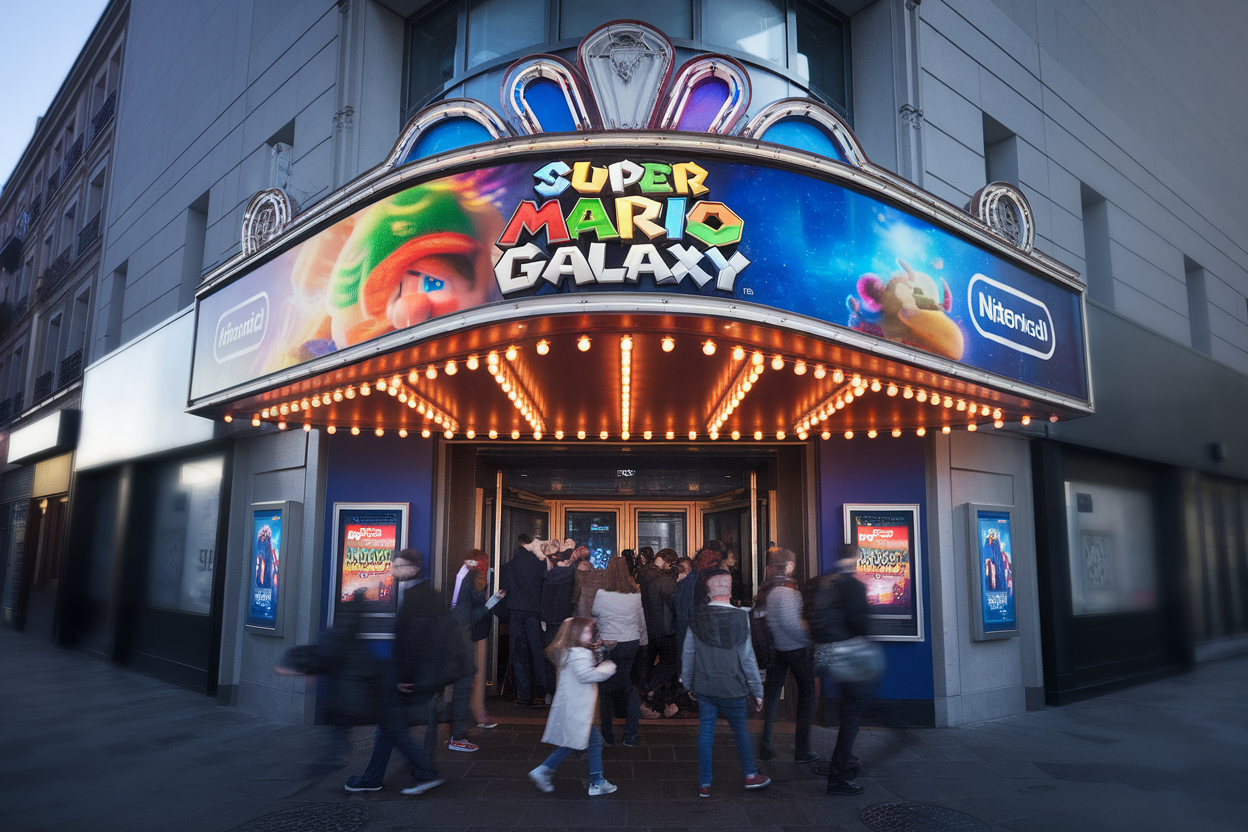
Nintendo and Illumination are loading Mario into a rocket ship again—and they’re doing it with the cold-eyed confidence of people who’ve already seen the receipts.
The next animated film is being talked up in the trade press as Super Mario Galaxy, slated for 2026. The pitch is obvious: take the 2023 smash hit, slap a “Galaxy” label on it (instant bigger, shinier, louder), and sell it as the next can’t-miss family outing—even for folks who couldn’t tell a Goomba from a gumbo.
And yes, the details are still annoyingly fuzzy. Exact release date? Not locked. Full cast list? Not consistently reported. Plot? Mostly vibes. That’s not a mistake. Animation schedules are fragile, and studios love keeping wiggle room while they crank up anticipation.
The 2023 Mario movie set a brutal standard—and that’s the point
The 2023 film, The Super Mario Bros. Movie, didn’t just do well. It finished as the second-highest-grossing movie worldwide for the year, according to widely cited box-office tallies. That kind of performance turns into leverage: better screens, louder marketing, bigger licensing deals, and a merchandising machine that prints money while you sleep.
But success like that also becomes a trap. Sequels don’t get judged on whether they’re “good.” They get judged on whether they’re a step down. Investors, theater chains, and parents with long memories all compare it to the last peak.
Calling the next one Galaxy is a not-so-subtle promise: wider worlds, more visual variety, bigger action beats, and more room for music and spectacle. In other words: “We’re not just doing the same thing again—please buy another round of tickets.”
The risk is the same one that haunts every big animated follow-up: reference overload. If the movie leans too hard on winks to gamers, it can lose the casual audience that made the first one a global event. If it sands off the weird Mario edges to please everyone, the hardcore fans will howl online frame-by-frame.
Why the 2026 release window matters (and why they’re keeping it squishy)
Multiple outlets peg the movie for 2026, but the exact date is still the sensitive part. Picking a weekend isn’t just marketing—it’s access to premium screens, how long you can dominate family matinees, and whether you’re getting elbowed out by another four-quadrant behemoth.
Animation also has a way of eating calendars alive. Rendering, compositing, sound mixing, international dubbing—any one of those can force a shift. Studios have learned not to carve a date into stone too early unless they enjoy public rescheduling announcements.
Three years after the 2023 hit is a calculated gap: close enough that the first movie still feels recent, far enough that they can claim they’ve “gone bigger.”
And there’s a uniquely Nintendo problem here: the movie can be marketed inside Nintendo’s ecosystem, but it can also end up competing with Nintendo’s own big game releases. If there’s a major Switch title—or new hardware—landing around the same time, Nintendo has to decide what gets the spotlight.
Nintendo + Illumination: a partnership built on control and efficiency
This whole thing works because each side brings what the other can’t. Nintendo supplies the characters, the brand power, and a famously tight grip on how Mario is portrayed. Illumination supplies the assembly line: fast, polished production and broad, physical comedy that plays to kids, parents, and the “I grew up on this” crowd.
The trade-off is a locked-down information strategy. When you’re dealing with a crown-jewel IP, leaks don’t just spoil surprises—they can trigger fan backlash and force expensive course corrections. So the studio drip-feeds just enough to keep the conversation alive.
“Galaxy” is also merchandising catnip. New worlds mean new creatures, new costumes, new vehicles—new stuff to sell. That’s not cynical; that’s the business model.
Nintendo, for its part, hasn’t forgotten the bad old days of video game adaptations. The 2023 success changed the company’s appetite for Hollywood, but not its philosophy: protect the brand, keep the tone on-model, and don’t let anyone get too “creative” with the mustache.
The real fight: owning 2026’s family box office
Studios love family animation because it can run forever. Daytime showings, repeat viewings, group outings—these movies don’t live or die solely on opening weekend. A Mario sequel, especially, comes with built-in global recognition that most original animated films would kill for.
But the calendar is a knife fight. Holiday corridors, school breaks, competing blockbusters (animated or not)—they all battle for the same premium screens and the same exhausted parents deciding whether the kids get a theater trip or another night on the couch with streaming.
If Super Mario Galaxy lands cleanly, it strengthens the argument that Nintendo can become a regular movie factory, not a one-off novelty. If it underperforms, expect the company to tighten the leash even more—or rethink how often it wants to roll the dice in theaters.
Either way, Hollywood will be watching. Not because Mario needs validation, but because studios are desperate for brands that can still drag families out of the house.
What we actually know so far
Release: Reported for 2026, with no universally confirmed date yet.
Status: Positioned as a sequel to the 2023 film.
Brand strategy: Nintendo and Illumination appear to be repeating the same “event movie” playbook—just with a bigger, space-themed hook.