

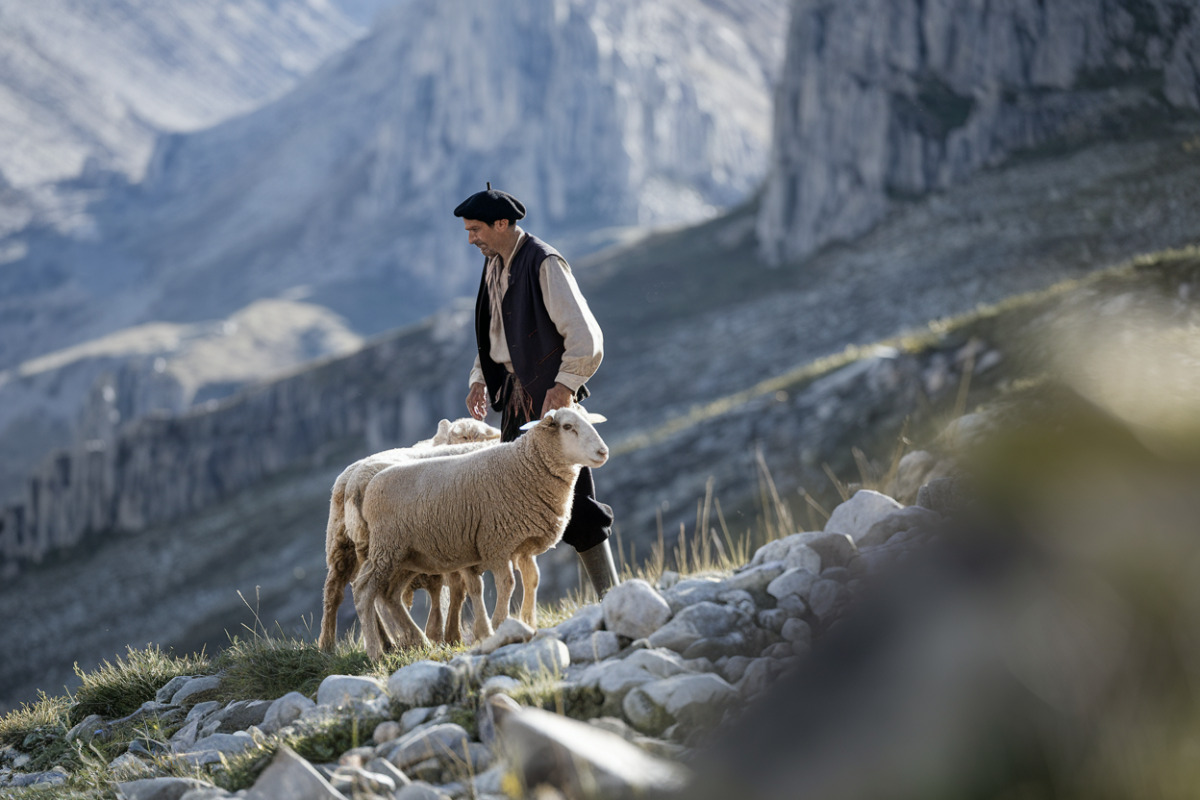
Up in France’s Pyrenees, summer pasture season is supposed to be the clean, hard rhythm of mountain ranching: move the flock up high, watch the weather, mind the dogs, sleep when you can.
Now add bears. And not the cute storybook kind—real, hungry predators that turn a shepherd’s night into a long, twitchy stakeout.
As bear numbers climb in the Pyrenees, shepherds say the job has morphed into a grind of missing animals, busted sleep, and a constant, stomach-tightening vigilance that doesn’t shut off when the sun comes up.
“Estive” season: beautiful country, brutal headspace
The French call it estive: the summer stretch when herds are taken to high mountain grazing lands. It’s remote, rugged, and—if you’re a shepherd—often isolating as hell.
That isolation matters. When animals disappear or a bear hits a flock, you’re not a quick drive from a town, a vet, or a support system. You’re up on the ridge with your dogs, your radio, and your thoughts. Shepherds describe the psychological toll in plain terms: insomnia, hypervigilance, and the kind of stress that sticks to you like smoke.
This isn’t “a little anxiety.” It’s the mental wear-and-tear of living on alert—listening for commotion in the dark, scanning slopes at dawn, and knowing that if you miss the moment, you’ll pay for it in dead or vanished livestock.
Missing livestock isn’t a statistic when it’s your paycheck
The most obvious damage is also the simplest: animals go missing. Sometimes they’re found killed. Sometimes they’re just… gone. Either way, that’s money walking off the mountain.
And these aren’t corporate operations with cushiony margins. Mountain pastoralism is already a tight business. Lose animals and you don’t just lose revenue—you lose breeding potential, future production, and the stability that keeps a small operation alive.
Then there’s the quieter hit: stressed herds don’t behave normally. Shepherds report that bear pressure changes how animals move and graze. Chronic stress can mess with reproduction, growth, and overall condition—costs that don’t show up neatly on a compensation form.
Dogs, fences, more humans—still not enough
France hasn’t exactly ignored the problem. The standard toolbox is familiar to anyone who’s covered predator conflicts out West: livestock guardian dogs, electrified fencing, more human presence on the range.
But shepherds say the old defenses are hitting their limits. Bears are persistent. Terrain is unforgiving. Fences aren’t magic on steep, rocky ground. And “more human presence” sounds great until you remember these are remote mountains where staffing up isn’t as simple as posting a job listing.
The result is a creeping sense among many shepherds that the system is being asked to absorb a predator comeback without the resources—or realism—to match.
The part nobody budgets for: trauma
Here’s the piece that rarely makes it into policy memos: the psychological fallout.
Shepherds are describing symptoms consistent with post-traumatic stress after repeated attacks and losses—sleep disorders, constant alertness, and a mental spiral that comes from being responsible for animals you can’t fully protect.
And in a profession built on toughness and understatement, admitting you’re not okay isn’t exactly standard practice. That leaves a lot of people white-knuckling through a season that used to be exhausting in a normal way—and now feels exhausting in a corrosive way.
Public agencies and professional groups are talking more about “accompaniment”—support for shepherds, not just for livestock. But right now, that kind of mental-health infrastructure in the high-country ranching world is thin. In many places, it’s basically a blank page.