

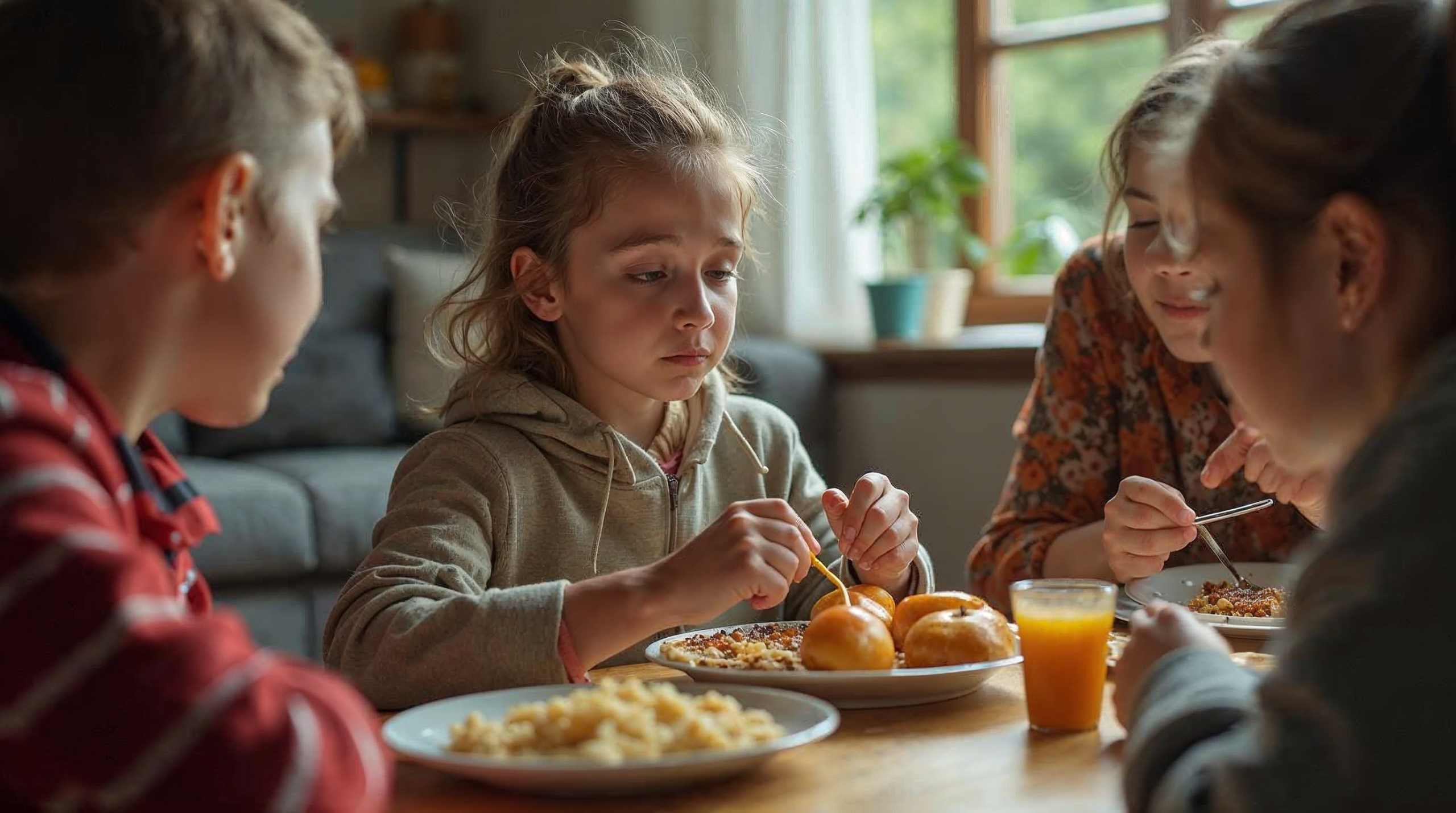
You know the type: came home from school alone, key on a shoelace, poured a bowl of cereal for dinner, and called it “independence.” America loves that story. It’s tidy. It flatters us.
But there’s a darker footnote the nostalgia skips: when you train a kid to handle everything solo, you don’t just build competence—you can also build emotional distance. The reflex becomes “I got it,” even when they very much don’t.
That’s the core of the “latchkey kid” legacy: self-reliance wasn’t a personality quirk. It was the operating system.
The latchkey routine: not always neglect, often exhaustion
Let’s be clear: “cereal for dinner” doesn’t automatically mean some Dickensian horror show. A lot of these households were held together by parents working long hours, stacking jobs, dragging themselves home wiped out, trying to keep rent paid and the lights on.
So kids filled the gaps. Homework. Minor emergencies. Sibling wrangling. House logistics. They learned to improvise because nobody else was available.
And yes, that can produce real skills—resilience, problem-solving, a sense of capability. But it can also teach a quieter lesson that sticks: having needs makes you a burden. That message doesn’t evaporate at 18. It just gets rebranded as “strength.”
Another side effect: when you’re raised to fix things alone, you start treating feelings like a maintenance issue. Something to manage privately, not something to share.
When self-reliance turns into armor: control, distance, and trouble accepting help
As adults, a lot of former latchkey kids wear that early wiring like body armor. From the outside, they look solid. Inside, it can jam up intimacy.
Help doesn’t feel like support—it feels like risk. Depend on someone and you might owe them. Or lose control. Or get exposed.
The article quotes psychologist Sam Goldstein bluntly: “Highly independent adults may struggle with intimacy and emotional regulation.” Translation: the people who look the most “together” can be the ones who freeze up when a relationship asks for emotional closeness.
This shows up where it hurts most—romantic relationships and family. A partner asks for openness and gets… troubleshooting. Or silence. Fix the problem instead of naming the feeling. Retreat instead of asking for comfort. It’s not cruelty. It’s muscle memory: if something’s wrong, handle it alone.
Parentification: when the kid becomes the adult in the room
Sometimes it wasn’t just “take care of yourself.” It was “take care of everyone.” That’s parentification, and psychologist Devon Frye describes it as when “the parent imposes their unmet emotional, physical, or psychological needs onto the child.”
In real life, that can look like being the built-in babysitter, translating for immigrant parents, running the household, or acting as an emotional support human for overwhelmed adults. Not a one-off chore—a whole identity: the responsible one.
Then adulthood hits, and being cared for can feel… wrong. Like your body doesn’t recognize the posture. Attention and help can trigger discomfort or suspicion: Why are you giving me this? What’s the catch? In that setup, independence stops being a choice and becomes an internal mandate.
The generational boomerang: “I’ll do it differently” (and then you don’t)
Here’s the twist: people who learned early not to ask for help can pass that same emotional habit to their kids—even while swearing they’re breaking the cycle.
Because this stuff isn’t transmitted only through parenting rules. It’s transmitted through reflexes: minimizing your own needs, never showing strain, praising “toughing it out.” Kids don’t just listen. They watch.
If a parent never lets themselves be supported, the child learns—without a lecture—that support isn’t normal. That needing people is embarrassing.
And sure, this background can produce highly organized, hyper-competent parenting: schedules nailed, logistics handled, problems solved fast. Useful. But sometimes it comes at the cost of emotional air in the house—less room for shared vulnerability, more emphasis on keeping the machine running.
Resilience, sure. But what’s the relationship bill?
No one’s arguing independence is bad. For a lot of kids, it was how they got through. It created adults who are capable, reliable, durable.
The price shows up when self-reliance becomes the only setting. When autonomy slides into isolation. When help feels like intrusion. When intimacy gets mistaken for losing control.
The “key around the neck” generation isn’t just a retro anecdote. It’s a map of how childhood survival strategies can harden into adult relationship habits—and how the same reflex that protected you back then can keep you from leaning on anyone when it actually matters.