

Crimson Desert is flirting with a safety net—and then yanking it away right when you’d want it most.
In a recent gameplay showcase, the game let players call in one of two optional allies—Damiane or Oongka—to help clean up certain fights, like a messy skirmish against a pack of bandits. Handy. Fast. A little cathartic.
But here’s the catch: these helpers are strictly for side content. When it’s time for a real boss fight, you’re on your own. No backup. No “hold aggro while I heal.” Just you, the monster, and whatever you’ve actually learned.
Two optional allies, and they’re basically “side-quest muscle”
The system is pretty straightforward. While you’re out exploring and knocking out side quests or optional activities, you can choose to bring along Damiane or Oongka. They’re not permanent companions trailing you through the whole story, chiming in with quips, or turning the game into a buddy road trip.
They’re more like a situational tool: call one in, stabilize a fight, clear an area faster, reduce the annoyance factor when enemies start dogpiling you.
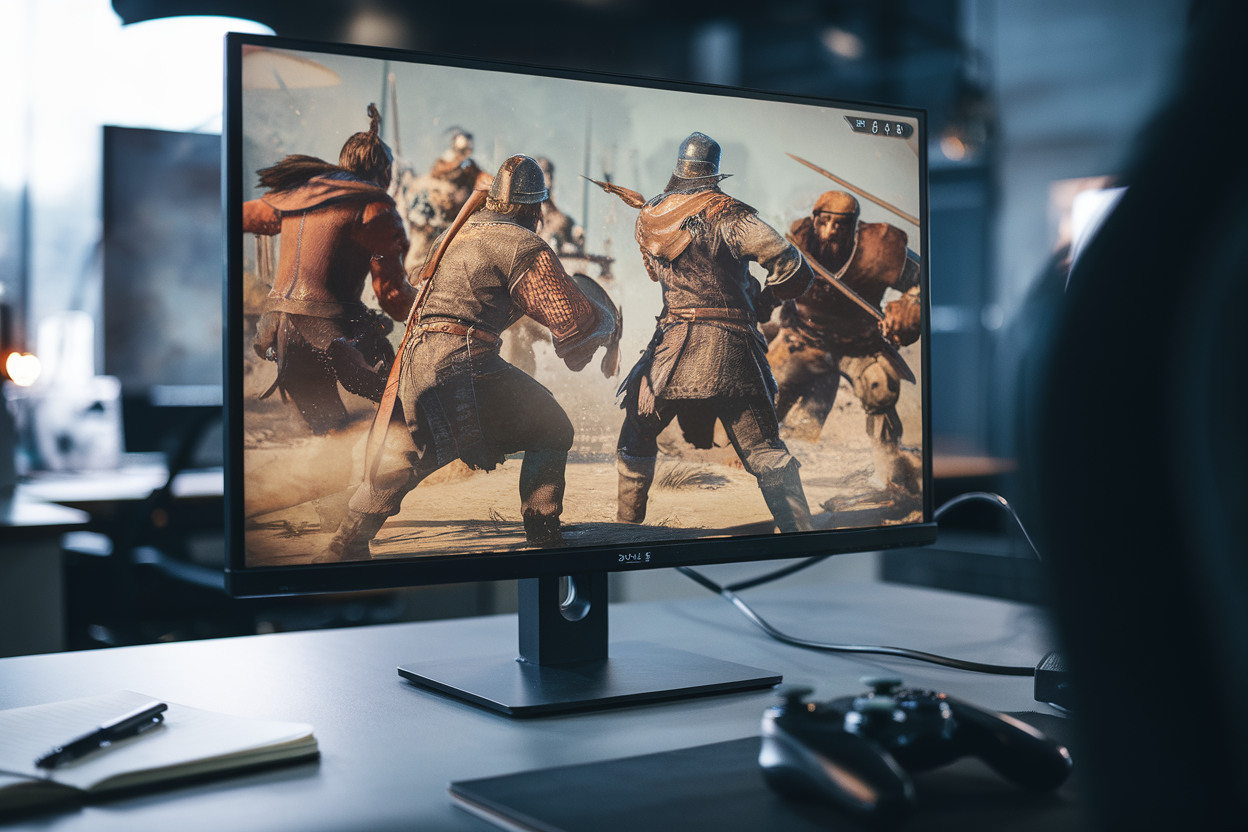
And yes—dogpiling is the point. In the demo, the player summons Damiane to deal with a group of bandits. Individually, those enemies might be small potatoes. Together, they’re the kind of swarm that turns combat into a constant interruption festival: getting surrounded, clipped mid-animation, hit from off-camera, repeat.
An ally acts like a pressure valve. They pull some attention, create openings, and keep you from getting stun-locked into rage.
Why bosses don’t allow Damiane or Oongka (and why that’s probably smart)
Boss fights are where the designers draw a hard line: no Damiane, no Oongka.
That’s not just a “because we said so” rule. Boss combat in action games runs on a readable grammar—attack patterns, punish windows, phase changes, the whole dance. Toss an AI ally into that and the choreography can fall apart fast. The boss starts retargeting unpredictably, attacks whiff into weird angles, difficulty drops for dumb reasons—or spikes for dumb reasons.
Keeping bosses as a clean one-on-one protects the intended experience: you’re supposed to learn the fight, eat your mistakes, and earn the win. If a companion is soaking hits or distracting the boss, the tension leaks out of the room.
There’s also a balancing problem developers know too well. If companions work everywhere, the game either:
1) assumes you’ll use them and makes solo play brutal, or
2) doesn’t assume you’ll use them and companions turn half the game into easy mode.
By walling off bosses, Crimson Desert can keep its marquee fights consistent while still giving players a little breathing room in optional content.
And let’s be honest: boss fights already turn the screen into a fireworks show—telegraphed attacks, danger zones, particles, camera shake. Adding another fighter (and their effects) can turn “spectacle” into “visual soup.”
The bandit demo shows what this system is really for: crowd control
The most obvious use case is exactly what they showed: numbers.
Group fights are often the most exhausting over time, not because they’re deep, but because they punish positioning mistakes relentlessly. An ally helps keep enemies off your back and lets you stay aggressive instead of constantly playing defense.
The language matters, too: the article describes it as “invoking” Damiane—meaning it’s a deliberate activation, not a permanent tagalong. That’s basically a difficulty knob the game doesn’t have to label “Easy.” You choose when to cash it in: save time, secure an unfamiliar area, avoid a death that costs progress.
Crucially, this doesn’t drag the game into full squad-management territory. Permanent companions come with baggage: command systems, shared inventories, leveling, constant dialogue, story reactivity. What’s being pitched here is leaner—combat assistance, not a narrative co-star.
The big unanswered question: how often can you summon them?
The showcase doesn’t settle the practical detail that will decide whether this feature feels fair or cheesy: limits.
Is there a cooldown? A per-zone cap? A resource cost? If summoning is rare, it becomes a strategic “break glass” option. If it’s basically always available in side content, then it becomes the default way to explore—and the developers will need to make sure side enemies stay interesting even with backup on tap.
What this says about Crimson Desert’s difficulty curve
This design draws a two-speed difficulty curve.
Exploration and optional objectives can be smoothed out—good for players who want to roam, experiment with builds, and chew through side content without every random encounter turning into a mini-trial. Boss fights, meanwhile, stay fixed as skill checks meant to test mastery.
It’s also a not-so-subtle message to the hardcore crowd: “Don’t worry, we’re not letting AI buddies trivialize the fights you’ll clip for social media.” Developers have been burned before by companion AI that accidentally breaks bosses by tanking too well or distracting too efficiently.
If Damiane and Oongka are mainly there to reduce the cheap frustration of being outnumbered—rather than to bypass challenge—then this could be one of the cleaner compromise systems we’ve seen: smoother side content, uncompromised boss duels.
FAQ
Can Damiane and Oongka help during boss fights in Crimson Desert?
No. Based on the information presented, these optional allies are limited to side activities and do not appear in boss fights.