

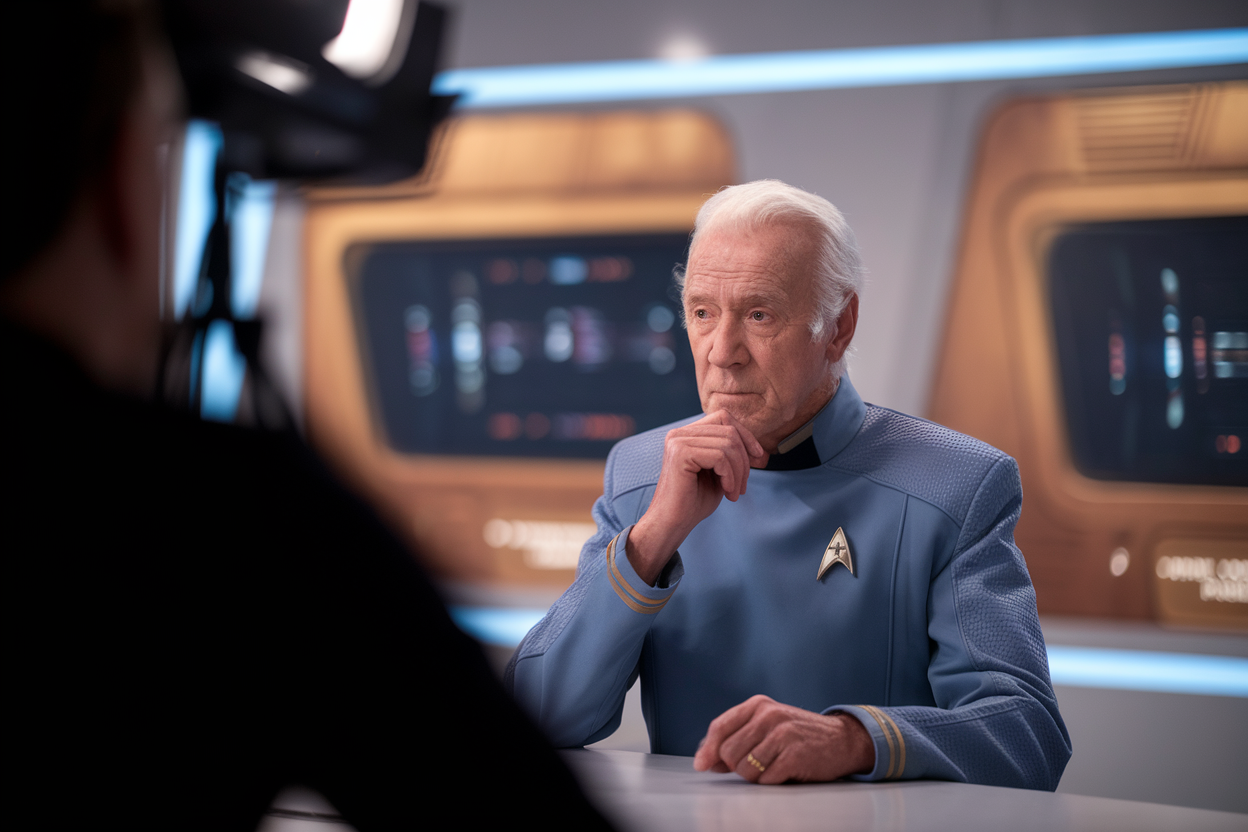
William Shatner has seen “Star Trek” pronounced dead more times than a redshirt on an away mission. So when news broke that Starfleet Academy—one of the franchise’s newer projects—got the axe, the original Captain Kirk did what he’s always done: he stepped in as the unofficial bouncer at the door of the fandom and told everyone to calm down.
The gist of his message is simple: one canceled show doesn’t mean the whole starship is going down. “Star Trek” has survived network indifference, long gaps, reinventions, fan civil wars, and the occasional creative faceplant. It can survive this, too.
Shatner’s playing defense—again—and it’s not an accident
In franchise land, the founding faces still matter. When the guy most Americans associate with the words “Captain’s log” weighs in, it shapes the vibe. Shatner isn’t just another alum tweeting from the nostalgia wing; he’s a walking weather report for a certain chunk of the audience.
Disney+ drops Daredevil: Born Again Season 2 on March 25—and Marvel didn’t see this love coming
And he’s made a habit of backing the newer “Trek” iterations—even when parts of the fanbase treat anything post-1999 like it’s a personal insult. That’s the move here, too. He’s not arguing every new season is a masterpiece. He’s arguing the franchise stays alive by changing, not by freezing itself in amber like a Comic-Con collectible.
There’s also a little self-awareness in it. Shatner could easily play the cranky gatekeeper—complain about “real Trek,” cash the headlines, watch the internet light itself on fire. Instead, he’s positioning himself as the elder statesman who blesses the next generation. It’s smarter. And, frankly, it’s rarer than it should be.
So why was “Starfleet Academy” canceled? Nobody’s saying—welcome to streaming
The article doesn’t offer hard details on the business reasons—no budget numbers, no internal memos, no “creative differences” leaks. That’s typical now. Streamers cancel projects the way airlines lose luggage: quickly, quietly, and with zero interest in your feelings.
Oracle Wants AI “Agents” Running Your Back Office—Here’s the Catch
But the bigger point is how cancellations get read in 2026: as omens. A project dies and suddenly it’s “the franchise is collapsing,” “the audience is gone,” “the brand is poisoned.” Shatner’s pushing back on that reflex. He’s basically saying: a cancellation is a format decision, not a funeral.
And he’s got history on his side. “Star Trek” has always run in cycles—booms, pauses, retools, comebacks. This isn’t a sleek, pre-planned cinematic machine. It’s a patchwork universe built over decades, with detours and dead ends baked into the DNA.
Fans wanted the Academy vibe—and that’s the real sting
A show centered on Starfleet’s training ground isn’t just another spinoff pitch. It scratches a specific itch: the institution, the teamwork, the idealism, the sense that the future is something you build with other people instead of punching your way through.
OpenAI Kills ChatGPT “Instant Checkout” and Bets on Shopping as a Picture Show
So yeah, people are going to be annoyed. Some will call it proof the current stewards don’t know what they’re doing. Others will chalk it up to spreadsheet triage. Either way, the disappointment is real—because the premise felt like a return to something “Trek” used to do well: big ideas filtered through a group, not a lone antihero.
Shatner’s response doesn’t erase that. It just reframes it: one road closed doesn’t mean the whole map got shredded.
Shatner’s real mission: keep the fandom from eating itself alive
Underneath all this is the oldest “Star Trek” story of all: the fanbase is split into tribes. Canon purists. New-era defenders. People who want optimism. People who want grit. People who want fewer speeches. People who want more speeches.
Every cancellation becomes ammo. Shatner’s trying to take the ammo away. His line—“Trek has the resources to last a long time”—isn’t about Starfleet Academy so much as it’s about keeping the whole enterprise from turning into a permanent civil war.
And he’s right about one thing: “Star Trek” isn’t a single show. It’s a shared vocabulary—exploration, politics, ethics, social argument dressed up as sci-fi. That idea can outlive a canceled title. It already has.
A canceled project, a franchise that keeps cycling
The uncomfortable truth is that modern franchise-making is messy. Projects get announced and never happen. Scripts get rewritten into something else. Budgets get yanked midstream. The audience is expected to keep clapping anyway.
Shatner’s betting that “Trek” will keep doing what it’s always done: shed a skin, grow another, and keep moving. Not because every decision is brilliant—but because the brand has learned how to absorb failure without collapsing.
That’s the real takeaway from his reaction: he’s acting like a shock absorber. The show’s gone. The universe isn’t.