

OpenAI just backed away from a bold idea: letting you buy stuff inside ChatGPT without ever leaving the chat.
The feature was called “Instant Checkout.” It’s dead. And OpenAI’s message is basically: we’ll help you find the right thing, but we’re not touching your credit card.
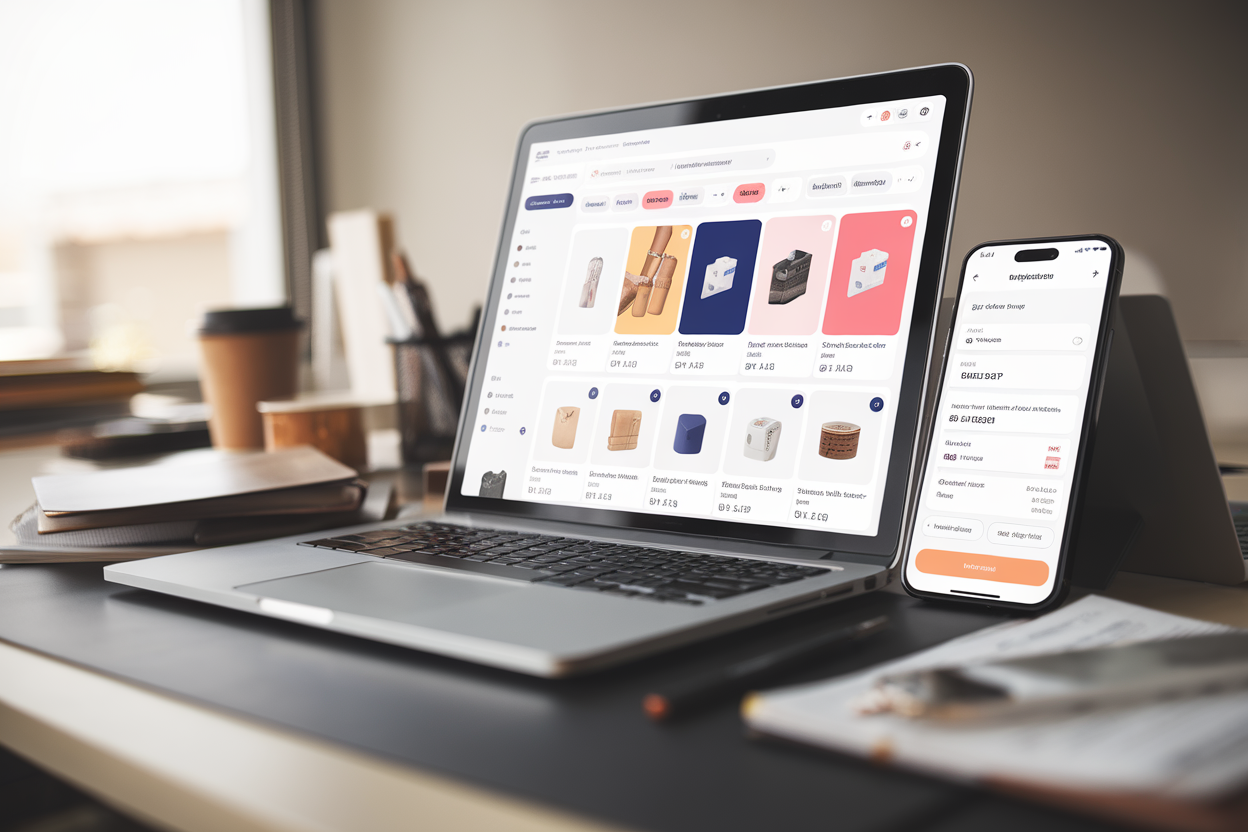
Instead, the company says it’s rebuilding shopping in ChatGPT around product discovery—more images, cleaner product cards, easier comparisons—then handing you off to the retailer’s own checkout page to finish the deal.
Why OpenAI pulled the plug: merchants want control, and payments are a minefield
OpenAI’s public rationale is pretty straightforward: retailers don’t want some one-size-fits-all checkout run by a third party, even if that third party is the hottest name in AI.
E-commerce checkouts are Frankenstein systems—payment processors, fraud tools, returns workflows, loyalty programs, tax compliance, local regulations, custom upsells, you name it. Merchants have spent years shaving fractions of a percent off cart abandonment. Dropping a standardized “ChatGPT checkout” into that mess was never going to be plug-and-play.
Then there’s the part nobody loves to say out loud: payments are risky. A conversational assistant handling sensitive purchase data invites headaches—authentication, chargebacks, fraud attempts, and the reputational blast radius when something goes wrong. If the transaction happens on the merchant’s site, OpenAI’s exposure drops fast.
And the most telling detail: OpenAI says users were browsing products in ChatGPT but rarely completing purchases there. That’s the kind of usage data that kills features in Silicon Valley. If people won’t pay inside the chat, “Instant Checkout” becomes an expensive liability instead of a growth engine.
What replaces it: more visuals, tighter product info, faster comparisons
OpenAI is pitching the new shopping experience as more visual and more structured—less endless text, more product cards with images and organized details.
That’s a tacit admission that pure chat has limits. Text is great for narrowing down what you want. It’s lousy for judging the cut of a jacket, the finish on a coffee machine, or whether “navy” is actually navy or just sad black.
So the company’s leaning into what it can do well: help you sort through options, compare alternatives, filter by budget and constraints, and build a shortlist quickly—then send you to the seller to actually buy.
Checkout stays with the retailer—and that changes the power dynamics
By pushing the final transaction back to merchants, OpenAI avoids becoming a payments middleman. That means less compliance burden, fewer disputes, and less customer support misery when a package doesn’t show up.
For retailers, it’s also familiar territory: they keep their fraud defenses, returns policies, shipping options, and loyalty perks intact. No rebuilding the checkout funnel for a channel that still feels experimental.
The tradeoff is measurement. If the purchase happens off-platform, attribution gets messy. Retailers will want to know whether traffic from ChatGPT converts better than Google search, social ads, or traditional comparison sites. OpenAI will have to prove it’s delivering buyers, not just browsers.
Follow the money: OpenAI still wants a cut—just not at the register
OpenAI isn’t saying it’s done with e-commerce revenue. It’s just stepping away from the cash register itself.
There are plenty of ways to monetize “shopping intent” without processing payments: affiliate fees, sponsored placements, paid partnerships with merchants for deeper integrations. The company doesn’t spell out the exact model here, but the direction is obvious—make money on recommendations and referrals, not on charging your card.
And frankly, that also helps with optics. If ChatGPT recommends a product and also takes the payment, people will assume the bot is selling, not advising. Keeping checkout elsewhere draws a cleaner line—at least in theory.
The real bet: own the moment you decide what to buy
OpenAI’s repositioning is a bet that the most valuable real estate in shopping isn’t the checkout button—it’s the moment a person goes from “I might need something” to “Here are the three I’m choosing between.”
Payments are a mature, brutally optimized business dominated by specialists and retailers who know their customers. OpenAI’s advantage is upstream: understanding what you mean, translating vague preferences into concrete options, and compressing the research phase.
If ChatGPT becomes a common starting point for purchase research, merchants will feel pressure to feed it clean catalogs, accurate pricing, and reliable logistics info—basically the same way they’ve spent two decades catering to search engines. OpenAI wants to be that front door. It just doesn’t want to be the cashier.